Character structures test revealing hidden somatic blocks to unlock emotional freedom


The five character structures test offers a powerful tool to discern patterns of emotional suppression and embodied defenses that shape an individual's relational and intrapsychic reality. Rooted in Reichian character analysis and expanded through Lowen’s bioenergetics, this test identifies chronic body armor —layers of muscular rigidity and tension formed by early unmet needs, unresolved oedipal wounds, and persistent fear of vulnerability. The test’s framework is invaluable for psychotherapists, psychology students, and self-aware individuals, as it reveals how the five distinct character structures—commonly referred to as the Schizoid, Oral, Psychopathic, Masochistic, and Rigid (or Genital)—manifest both psychological patterns and somatic expression. Understanding these entrenched patterns dismantles emotional barriers held deep in the body and mind, facilitating transformative healing where cognitive insight alone often falls short.
At its core, the five character structures are not merely typologies but biosomatic patterns of emotional blockade and defensive organization. They align with specific modes of relating to self, others, and the larger world, shaped by characteristic forms of character armor. By integrating the test’s findings with bioenergetic therapy and somatic psychology, practitioners can design interventions that soften muscular armor, unlock displaced affect, and reestablish healthier psychophysical contact.
Understanding the Roots and Purpose of the Five Character Structures Test
Historical Foundations in Reichian and Lowenian Theory
Wilhelm Reich’s introduction of character structures in the 1930s pioneered a somatic approach to psychoanalysis that diverged sharply from purely verbal or interpretive methods. Reich observed that childhood trauma and unconscious conflict became concretized as patterns of muscular tension, which he termed body armor. These patterns were not only defensive postures but also psychological styles that developed to keep anxiety, rage, and pain at bay.
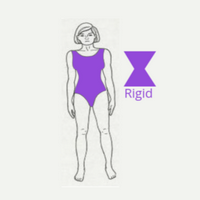
Building on Reich, Alexander Lowen systematized these observations into a coherent bioenergetic framework in the mid-20th century. He identified five major character structures—Schizoid, Oral, Psychopathic, Masochistic, and Rigid (Genital)—each correlated with specific body tensions and emotional defenses. Lowen’s bioenergetic analysis emphasized how muscle tension limiting breathing, movement, and expression mirrored the psychological rigidity and emotional constriction inherent in each structure.
The Test as a Diagnostic and Therapeutic Guide
The five character structures test synthesizes observations of habitual physical tensions, emotional styles, and cognitive patterns into a concise diagnostic tool. Often presented as a questionnaire or observational protocol, it clarifies how an individual’s unique combination of character armor influences their behavior and interpersonal dynamics. For psychotherapists, this test is pivotal in tailoring somatic interventions by highlighting which muscle groups hold the greatest emotional charge and resistance.
For psychology students, recognition of these structures deepens clinical understanding of how trauma imprints in body and psyche, while self-aware adults use the insights to articulate their emotional blocks and identify avenues for growth. The test’s accuracy in linking character structure and somatic expression provides a roadmap from insight to embodied change—especially relevant for clients suffering from chronic perfectionism, emotional suppression, or reliving oedipal wounds in adult relationships.
Why It Matters: Analyzing Fear of Vulnerability and Emotional Armor
Chronic emotional suppression often stems from the fear of vulnerability, a core theme weaving through the five structures differently but pervasively. For example, the Perfectionist aspect within the Rigid or Genital character clutches tightly to control and order as a fortress against exposure and perceived weakness. Their biophysical armor manifests in overly tense chest and abdomen muscles that impede spontaneous breath and soften emotional expression.
The Achiever—often overlapping with the Psychopathic structure—channels drive and accomplishment to bypass inner needs, sustaining a facade that limits authentic intimacy. The test elucidates how these character defenses obstruct not only personal fulfillment but also relational depth. By unveiling these unconscious defenses, the five character structures test reveals pathways to dismantle the rigid arms of character armor that so frequently protect yet isolate.
With this foundational understanding, the following section explores the distinctive qualities and internal dynamics of each character structure, shedding light on their physical signatures, psychological mechanisms, and the practical challenges they present.
Deep Dive into the Five Character Structures: Psychological and Somatic Profiles
The Schizoid Structure: Fragmentation and Withdrawal
The Schizoid is marked by a profound sense of isolation and disconnection from both self and others—a splitting off that often begins in early developmental trauma or neglect. The body armor is frequently characterized by a lack of integration, with weaknesses in the neck, facial muscles, and thoracic region, producing a tendency toward dissociation and internal fragmentation.
Psychologically, this structure attempts to shield the core self through detachment and emotional numbness. The Schizoid’s breath is often shallow, and posture collapsed, mirroring their withdrawal from unwanted stimulation and relational engagement. The mechanism protects fragile existential vulnerability but creates challenges such as chronic loneliness, difficulty with affect regulation, and an inability to form sustaining emotional bonds.
Somatic therapy emphasizes gentle grounding techniques, breath work, and exercises that reconnect the Schizoid with physical sensations and relational contact. The five character structures test helps identify the severity of dissociative patterns and tracks progress as boundaries between self and other become less rigid.
The Oral Structure: Dependence and Clinging
The Oral character is dominated by an early developmental fixation centered on attachment and dependency needs that were inconsistently met. Characterized by tension and contraction in the face, throat, and abdomen, this structure manifests as a protective response to feelings of abandonment, leading to emotional clinging and often passive-aggressive behavior.
This structure’s muscular armor may appear around the mouth and jaw—tightness that also obstructs spontaneous expression and breathing. The person often exhibits anxiety about self-worth and too great a reliance on others for validation, with compulsions to consume emotionally or materially linked to unmet oral needs.
Bioenergetic interventions focus on enhancing personal boundaries and promoting bodily autonomy by loosening the oral armor and invigorating respiratory capacity. Understanding the oral structure via the five character structures test helps both clinician and client navigate complex attachment wounds and strengthen resilience.
The Psychopathic Structure: Control and Power
Rooted in early environmental trauma or neglect that threatens survival, the Psychopathic structure fosters a defensive assertion of control and power over self and others. Its body armor is often felt as tension in the lower back and pelvis, reflecting deep-seated anxieties around territoriality and autonomy.
This structure uses dominance, intimidation, or manipulation to stave off helplessness and vulnerability. The breath tends to be forceful and restricted, with movement patterns that are explosive or defensive. Internally, the individual experiences a chronic battle between aggression and the need for connection.
Psychotherapists rely on the five character structures test to assess readiness for engaging with these defenses. Somatic therapy aims to release pelvic tension, mobilize genuine expression of anger, and cultivate responsiveness rather than reactive control, progressively dissolving rigid power dynamics held in muscle armor.
The Masochistic Structure: Surrender and Self-Sacrifice
The Masochistic character arises from complex oedipal wounding and early relational dysfunction, characterized by a pattern of submission, self-sacrifice, and internalized guilt. The somatic armor manifests as constriction in the abdomen, chest, and throat, limiting self-expansion and assertive communication.
This structure’s emotional profile frequently involves ambivalence between craving connection and punishing oneself to maintain relational bonds. The chronic suppression of natural desires results in a fear of abandonment entwined with an unconscious compulsion to endure suffering as proof of loyalty or love.
The five character structures test reveals the depth of internalized oppression and somatic constriction, guiding therapeutic focus on reclaiming personal agency and softening the armor around vital breathing spaces. Bioenergetics facilitates the release of abdominal blocks and supports authentic self-expression within the relational field.
The Rigid (Genital) Structure: Perfectionism and Emotional Inhibition
The final, often most socially valorized structure is the Rigid or Genital character, symbolizing the ideal of self-mastery but frequently masking intense inner anxiety and woundedness. The hallmark is body tension primarily in the chest, shoulders, and diaphragm, erect postural rigidity, and a controlled, measured breath to contain feelings.
The Rigid character’s perfectionism and relentless achievement orientation serve as a fortress against vulnerability and fear of failure. Often labeled “the Achiever,” these individuals prioritize control over spontaneity, which paradoxically limits their capacity for intimacy and authentic pleasure.
Therapeutically, overcoming the Rigid structure demands a gradual softening of the muscular armor, especially in the respiratory apparatus. The five character structures test facilitates identification of guarded breathing patterns and supports targeted bioenergetic work that reintroduces ease, emotional openness, and groundedness.
Transitioning from the detailed characterization of body-mind patterns, it’s essential to explore how the five character structures test interfaces with practical therapeutic modalities and everyday self-awareness, enhancing emotional health in clinical and personal contexts.
Integrating the Five Character Structures Test in Therapy and Self-Reflection
Applications for Psychotherapists and Body Psychotherapists
The five character structures test is indispensable in the psychotherapeutic setting by bridging the subjective inner world with objective somatic data. Clinicians incorporating Reichian and Lowenian bioenergetics use the test to pinpoint where tension and emotional constriction cluster, informing somatic interventions like breathwork, grounding exercises, and expressive movement.
The test supports differentiated treatment planning by clarifying whether the therapeutic focus needs to aim at reawakening disowned feelings (e.g., in the Schizoid), strengthening boundaries (e.g., in the Oral), or softening control mechanisms (e.g., in the Rigid). It also helps therapists recognize transference dynamics rooted in clients’ character armor and how best to avoid re-traumatization.
Enhancing Clinical Training and Research in Psychology
For psychology students and emerging clinicians, the five character structures test is a foundational diagnostic framework to comprehend the mind-body continuum of trauma and defense. It sharpens assessment skills, teaches recognition of somatic indicators, and builds proficiency in linking theoretical constructs with experiential phenomena observed in therapy sessions.
Further, the test informs empirical research on somatic therapy by offering quantifiable parameters to measure how muscle tension correlates with psychological states, contributing to the evidence base that validates bioenergetic approaches within integrative clinical psychology.
Benefits for Clients and Self-Aware Adults
Individuals engaged in therapy or serious self-reflection gain direct benefits from understanding their dominant character structure. The test elucidates why recurring patterns—such as chronic perfectionism, impulsivity, dependence, or emotional withdrawal—persist despite conscious effort to change. Awareness illuminates unconscious defenses protecting fragile vulnerabilities, allowing for more compassionate self-acceptance.
Moreover, clients learning about their somatic armor become participants in their own healing, able to practice embodied exercises, integrate breath awareness, and identify early signs of reactivation of character defenses. This promotes resilience and emotional freedom beyond intellectual insight, confronting the oedipal wound and other core conflicts held in the body’s musculature.
To maximize the impact, therapists and clients alike can utilize the test as a dynamic tool, revisiting it periodically to observe shifts in character organization as therapy progresses or life circumstances evolve.
How the Five Character Structures Test Addresses Core Emotional Pains and Barriers to Healing
Unmasking Perfectionism and the Fear of Vulnerability
The Rigid character’s perfectionism creates an intense internal pressure not only to succeed but to suppress emotional impulses that might render the person imperfect or weak. This armor protects against the primal pain of rejection, but at the cost of intimacy and self-compassion. rigid character structure spotlights how breathing constriction and muscular tension maintain this vicious cycle.
Recognizing this connection with the five character structures test enables psychotherapists to gently guide clients through breath expansion and expressive techniques that peel away layers of inhibition, fostering an emotional courage previously inaccessible.
Disentangling the Oedipal Wound in Adult Relationships
The oedipal wound—the unresolved entanglement of love, guilt, and rivalry originating in early familial dynamics—is deeply encoded in the muscular and emotional schemas of the Masochistic and Oral characters. Emotional suppression and relational reactivity often replay developmental conflicts that were never fully resolved.
The five character structures test clarifies the imprint of these wounds and directs attention to the pelvic and thoracic regions where this painful history resides somatically. Therapies using the test encourage clients to reclaim agency in relationships, reconstruct healthier attachment patterns, and soften defensive armor that replicates old suffering.
Breaking Through Emotional Armor to Foster Authenticity
Chronic body tension and character armor essentially freeze emotional states, limiting the fluidity of feeling and expression. The five character structures test reveals these frozen zones and opens therapeutic avenues to "thaw" them through breath, movement, and relational attunement.
By targeting these physiological constraints, somatic therapy enriches psychological process, allowing suppressed trauma to surface and be processed in a safe and embodied manner. This holistic healing approach ensures change at the deepest structural levels rather than mere symptom relief.
With an understanding of the pains the five character structures test addresses, it becomes clear how to implement these insights into everyday practice and personal growth.
Moving Forward: Practical Recommendations and Next Steps Using the Five Character Structures Test
For Psychotherapists: Incorporating the Test into Clinical Practice
Begin by administering the five character structures test early in the therapeutic relationship to map out predominant patterns of emotional suppression and muscular armor. Use the test results to tailor somatic interventions—such as targeted breathing techniques, expressive movement, and relationally attuned bodywork—to the client’s specific character structure.

Continually assess shifts in presenting symptoms and body tension to adjust treatment goals. Employ the test as a baseline measure for bioenergetic progress and relational breakthroughs. Training in both Reichian and Lowenian methods will deepen your capacity to decipher subtle somatic cues linked to character defenses.
For Students and Researchers: Integrating Theory with Practice
Leverage the test as a tool to enrich coursework and clinical training, practicing somatic observation and bioenergetic assessment alongside psychological theory. Investigate how the five character structures manifest in diverse populations, including high-achieving individuals who often mask vulnerability behind achievement and control.
Consider qualitative and quantitative studies to validate and refine the test’s applications. Explore intersections with contemporary neuroscience on trauma and embodiment to strengthen the scientific basis for somatic psychotherapy.
For Clients and Self-Aware Adults: Using the Test for Self-Discovery and Healing
Reflecting on your own responses to the five character structures test can catalyze powerful insights into habitual patterns of tension and emotional resilience. Complement self-assessment with body-centered practices, such as mindful breathing, self-massage, and movement exploration, to gently challenge rigid armor and enhance somatic awareness.
Engage with a knowledgeable somatic therapist trained in Reichian or Lowenian techniques who can guide you through bioenergetic exercises designed to loosen physical and emotional constrictions. Remember that transformation is incremental—honor your pacing and allow your body’s wisdom to lead the process.
Summary of Actionable Steps
- Administer the five character structures test to identify dominant character armor patterns.
- Engage breathwork and somatic therapy targeting relevant muscle groups identified by the test.
- Use insights from the test to understand the role of perfectionism, the oedipal wound, and emotional inhibition in your life.
- Incorporate regular body awareness and movement practices to soften bioenergetic armor.
- Work collaboratively with somatic therapists to integrate test findings into a comprehensive healing plan.
By deepening understanding of the five character structures through this test, psychotherapists, students, and individuals alike can navigate beyond superficial strategies to transform entrenched patterns of defense embedded in both mind and body. This path unlocks the potential for authentic expression, emotional vitality, and sustained relational health—hallmarks of a truly integrated self.